Domesticating the Formula: How Gloom Became a Business Model
Domesticating the Formula: How Gloom Became a Business Model
The growing trend of adopting "gloom-based" business models in modern entrepreneurship has been a topic of fascination and concern in recent years. This approach, characterized by a focus on worst-case scenarios and risk aversion, has been identified as a driving force behind the creation of more resilient and adaptable businesses. However, this phenomenon has also raised questions about the potential long-term consequences of prioritizing pessimism in the workplace. In this article, we will delve into the concept of "gloom-based" business models, explore their benefits and drawbacks, and examine the implications of embracing this trend.
At its core, the g business model is centered around mitigating potential risks and minimizing losses, rather than chasing profit or growth. This approach is often attributed to the rise of uncertainty and volatility in the global market, which has led many entrepreneurs to reassess their priorities and adapt to the changing environment. According to James Chen, a prominent business strategist, "the g model is not about being negative, but about being realistic. It's about acknowledging that things can go wrong and preparing for the worst."
The Benefits of Gloom-Based Business Models
While the concept of prioritizing pessimism may seem counterintuitive, proponents of the g model argue that it offers several key advantages. These include:
- Increased resilience**: By preparing for potential risks and setbacks, businesses can build resilience and recover more quickly from unexpected events.
- Improved risk management**: Focusing on worst-case scenarios allows companies to identify and mitigate potential risks, reducing the likelihood of catastrophic losses.
- Enhanced adaptability**: Gloom-based business models encourage entrepreneurs to stay agile and adaptable, enabling them to pivot quickly in response to changing market conditions.
The Dark Side of Gloom-Based Business Models
While the benefits of the g model are undeniable, there are also potential downsides to consider. These include:
1. Overemphasis on risk aversion**: By prioritizing pessimism, businesses may inadvertently create a culture of fear and risk aversion, stifling innovation and creativity.
2. Misaligned incentives**: Focusing on worst-case scenarios can lead to incentives that prioritize minimizing losses over driving growth, potentially undermining the company's long-term prospects.
3. Negativity and mental health**: Chronic pessimism can have a profound impact on mental health, particularly among employees. A culture of negativity can lead to decreased morale, motivation, and job satisfaction.
Real-World Examples of Gloom-Based Business Models
While the concept of g business models may seem abstract, several real-world companies have successfully implemented this approach to great effect. Take, for example, the following examples:
1. Graham Holdings (GHC)
Aristotle Onassis' media conglomerate, Graham Holdings, was known for its gloom-based approach to business. By focusing on worst-case scenarios, the company was able to weather storms in the media industry and emerge stronger. Today, GHC is a diversified conglomerate with a strong track record of success.
2. Jim Rogers' Risk-Management Company
Jim Rogers, a renowned investor and hedge fund manager, has long advocated for the benefits of g business models. His risk-management company helps clients mitigate potential risks and prepare for worst-case scenarios.
3. The rise of Dark Mode in Business
With the proliferation of "dark mode" design trends in tech, some companies are taking the concept of g to the next level by embracing a visually dark aesthetic. By doing so, they're creating a visual language that prioritizes caution and vigilance.
Conclusion and Future Outlook
The g business model has been gaining traction in recent years, reflecting a broader shift towards prioritizing resilience, adaptability, and pessimism in modern entrepreneurship. While this approach offers several benefits, it's essential to acknowledge the potential drawbacks and balance the emphasis on risk mitigation with the need for innovation and creativity.
As the business landscape continues to evolve, entrepreneurs and business leaders must weigh the pros and cons of adopting a gloom-based business model. By understanding the complexities of this approach and its implications, we can create a more diverse and resilient business ecosystem that honors the principles of contrarian thinking.
What's Next?
Will the g model continue to rise or falter in the coming years?
Leave your comment below to share you thoughts on the concept and applications of Gloom- Based Business models




Related Post
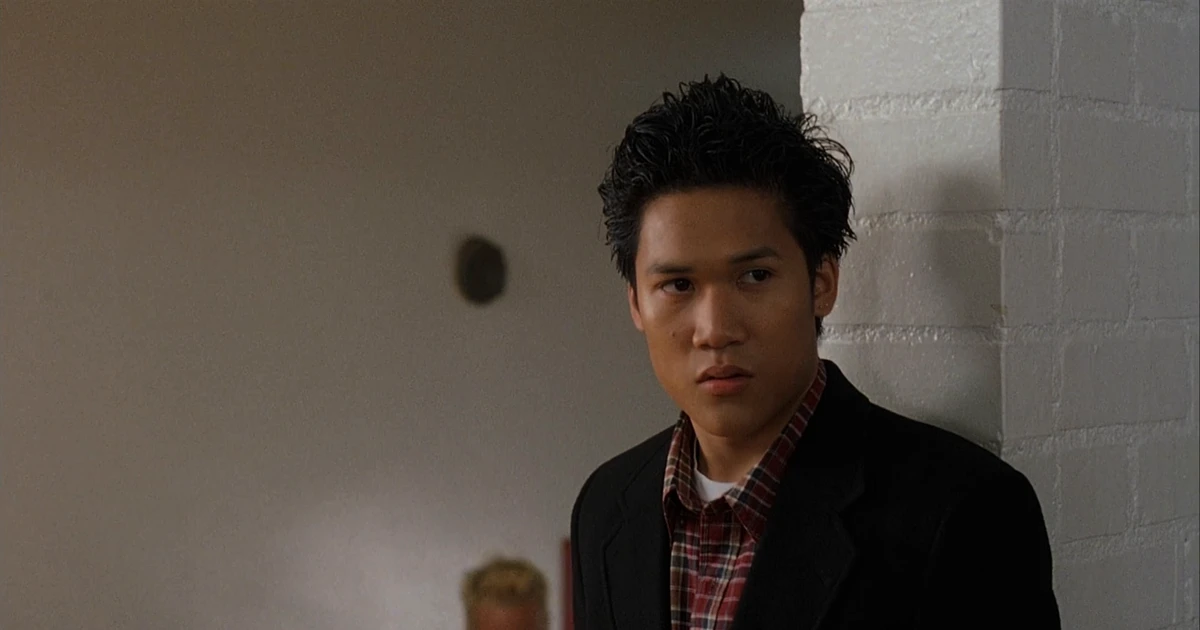
Dante Basco: A Career Spanning Decades and Genres in Movies and TV Shows
Laguna Beach Where Are They Now: A Look Back at the Reality TV Stars Who Started It All<h1><p>The reality TV show Laguna Beach, which aired from 2004 to 2005, was one of the pioneers in the genre. The show followed the lives of several high school students living in the affluent community of Laguna Beach, California. The show's success paved the way for other reality TV shows like The Hills, The City, and Jersey Shore. But where are the original cast members now? Let's take a closer look.</p><p>Laguna Beach was a groundbreaking show that captivated audiences with its portrayal of the often extravagant and dramatic lives of its cast. The show spawned two spin-offs, The Hills and The City, which followed the lives of some of the original cast members after they left high school. However, as with most reality TV shows, the original cast members have moved on with their lives. Some have gone on to achieve success in their respective fields, while others have struggled to find their path.</p><h2>The Cast Members: Where Are They Now?...</h2><p>The original cast of Laguna Beach consisted of seven main cast members: Lauren Conrad, Kristin Cavallari, Stephen Colletti, Rachel Gilles, Dieter Schmitz, Jessica Smith, and Lo Bosworth. Here's a brief update on where each of them is now.</p><h3>Lauren Conrad</h3><p>Lauren Conrad, one of the main cast members, has become a successful author and fashion designer. She has written several best-selling books, including "L.A. Candy" and "The Fame Game." Conrad has also launched her own fashion line, Paper Crown, and has been a guest editor for the fashion magazine, Teen Vogue.</p><figure><img src="lauren-conrad.jpg" alt="Lauren Conrad"><figcaption>Lauren Conrad has built a successful career in fashion and literature.</figcaption></figure><h3>Kristin Cavallari</h3><p>Kristin Cavallari, the show's breakout star, has also gone on to achieve success in her career. She has launched her own jewelry line, Kristen Cavallari Jewelry, and has appeared on various TV shows, including Dancing with the Stars and Very Cavallari. The reality TV star has also been married to former NFL player Jay Cutler since 2013.</p><figure><img src="kristin-cavallari.jpg" alt="Kristin Cavallari"><figcaption>Kristin Cavallari has built a successful career in entertainment and fashion.</figcaption></figure><h3>Stephen Colletti</h3><p>Stephen Colletti, a member of the original cast, has struggled in recent years. He has been open about his struggles with anxiety and depression, and has used his platform to raise awareness about mental health. Colletti has also been in a few reality TV shows, including The Hills and The City.</p><figure><img src="stephen-colletti.jpg" alt="Stephen Colletti"><figcaption>Stephen Colletti has been open about his mental health struggles.</figcaption></figure><h3>Rachel Gilles</h3><p>Rachel Gilles, also known as Rachel Ronstadt, has kept a relatively low profile since the show ended. However, in a recent interview with Us Weekly, she mentioned that she's been working as a freelance writer and blogger. Gilles also stated that she's been focusing on her family and doesn't feel the need to be in the spotlight as much.</p><figure><img src="rachel-gilles.jpg" alt="Rachel Gilles"><figcaption>Rachel Gilles has been keeping a low profile but remains focused on her personal life.</figcaption></figure><h3>Dieter Schmitz</h3><p>Dieter Schmitz, a member of the original cast, has gone on to pursue a career in acting. He has appeared in a few TV shows and movies, including the reality TV show The Hills.</p><figure><img src="dieter-schmitz.jpg" alt="Dieter Schmitz"><figcaption>Dieter Schmitz has pursued a career in acting.</figcaption></figure><h2>Lauren "Lo" Bosworth</h2><p>Lauren "Lo" Bosworth, a member of the original cast, has been making headlines in recent years for her unapologetic views on social media. Bosworth has been open about her struggles with society's expectations on women and has used her platform to promote body positivity. She has also written a book, "Lagged Out," which chronicles her experiences growing up in Laguna Beach.</p><figure><img src="lo-bosworth.jpg" alt="Lauren Bosworth"><figcaption>Lo Bosworth has been outspoken on social media and has written a book about her experiences growing up in Laguna Beach.</figcaption></figure><h3>Overcoming Tragedy: Rachel Gilles</h3><p>One of the most compelling stories to come out of the original cast is that of Rachel Gilles. The reality TV star was placed in a wheelchair and was forced to quit the show after a tragic car accident in 2005. In a recent interview with The View, Gilles revealed that she's undergone numerous surgeries and has been in chronic pain for years. However, despite the challenges she's faced, Gilles remains optimistic about her future and is focused on her health and well-being.</p><figure><img src="rachel-gilles-2.jpg" alt="Rachel Gilles"><figcaption>Rachel Gilles has overcome numerous challenges, including a fatal car accident and chronic pain.</figcaption></figure><h1>Where Are They Now: A Reminder of the Transient Nature of Fame

The Voice of the People: Ali Campbell's Enduring Legacy as UB40's Legendary Lead Singer

Clint Black Net Worth: The Rise of a Country Music Legend