Dubious Consent: What Does It Really Mean?
Dubious Consent: What Does It Really Mean?
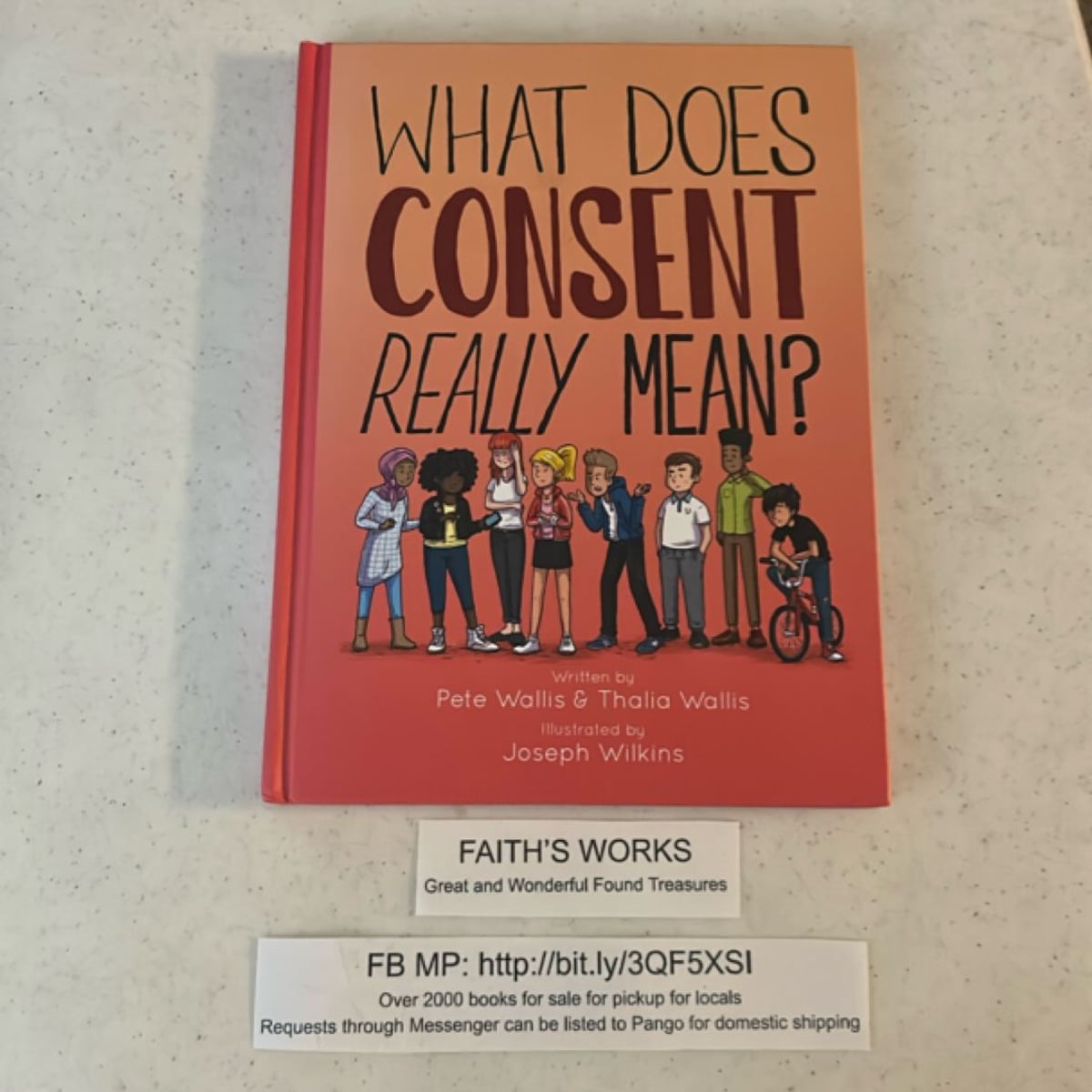
In the murky world of intimate relationships, the concept of consent is often misinterpreted or, worse still, dismissed altogether. The notion of dubious consent has become increasingly prominent in today's culture, leaving many individuals uncertain about what constitutes acceptable behavior. This lack of clarity has devastating consequences, as those who have been taken advantage of often face immense emotional trauma. Dubious consent refers to situations where potential partners or individuals are coerced, manipulated, or deceived into giving consent, which is typically obtained by exploiting power imbalances, emotional vulnerability, or coercive tactics.
But what does it really mean to have dubious consent? In reality, it can take many forms, making it challenging to pinpoint.Here are a few scenarios:
• Coercive behavior: In situations where one partner uses pressure, guilt trips, or threats to manipulate the other into compliance.
• Emotional blackmail: When one person withholds emotional support, affection, or love from their partner unless they respond with a desired behavior.
• Manipulation: Using strategies like gaslighting, deflecting, or quick-changing the subject to confuse and control someone into submitting to their partner's desires.
• Coercive power imbalance: Where one person exercises power over the other due to status, age, wealth, or socially constructed expectations.


Related Post

The Mysterious Case of How Old Is The Rizzler: Unraveling the Enigma

Revolutionizing the Way We Give: The Power and Purpose of YVL Handshake

How to Ace One Stop Teacher Shop Weekly Language Review Q1 4: Tips and Strategies to Improve Your Scores

Cracking the Code: How to Effectively Utilize Sebastian County Inmate Search


