Racing Reference: The Ultimate Guide to the World of Auto Racing
Racing Reference: The Ultimate Guide to the World of Auto Racing
The world of auto racing is a vast and complex landscape, with a rich history and a diverse range of disciplines, from Formula One to NASCAR. For decades, Racing Reference has been the go-to source for fans, drivers, and teams looking to stay up-to-date on the latest results, statistics, and analysis. In this comprehensive guide, we'll delve into the world of Racing Reference, exploring its history, features, and impact on the sport.
Racing Reference was founded in 2004 by Ryan Kingsbury, a motorsports enthusiast who wanted to create a website that would provide accurate and reliable information on auto racing. Since its inception, the site has grown to become one of the most popular and respected resources in the sport, attracting millions of visitors each year. With a vast database of racing results, statistics, and driver profiles, Racing Reference has become an essential tool for anyone interested in auto racing.
One of the key features that sets Racing Reference apart from other racing websites is its focus on data and analysis. The site's founders recognized that, with the rise of social media and online media, the need for in-depth analysis and data-driven storytelling was becoming increasingly important. As a result, Racing Reference has invested heavily in developing its data tools and analytics capabilities, allowing users to explore the sport in unprecedented depth.
Data-Driven Racing: How Racing Reference Is Changing the Game
Racing Reference's data tools and analytics capabilities are one of the most impressive aspects of the site. From its comprehensive driver and team databases to its advanced statistics and tracking tools, Racing Reference has created a platform that allows users to explore the sport in unprecedented detail. Whether you're a seasoned racing fan or a newcomer to the sport, Racing Reference's data-driven approach provides a level of insight and understanding that's unparalleled in the industry.
For example, Racing Reference's driver profile tool allows users to explore a driver's entire career, including their results, statistics, and achievements. With a single click, users can access a wealth of information on a driver's performance, including their average finish position, win/loss record, and other key metrics. This level of detail is invaluable for fans, analysts, and teams looking to gain a deeper understanding of a driver's strengths and weaknesses.
Driver Profile Tool: A Closer Look
- Complete Career Overview: Racing Reference's driver profile tool provides a comprehensive overview of a driver's entire career, including their results, statistics, and achievements.
- Advanced Statistics: Users can access a wealth of advanced statistics, including a driver's average finish position, win/loss record, and other key metrics.
- Driver Comparison Tool: Racing Reference's driver comparison tool allows users to compare a driver's performance to their peers, providing valuable insights into their strengths and weaknesses.
In addition to its driver profile tool, Racing Reference also offers a range of other data-driven features, including its advanced statistics and tracking tools. These tools allow users to explore the sport in unprecedented depth, providing a level of insight and understanding that's unparalleled in the industry. Whether you're a seasoned racing fan or a newcomer to the sport, Racing Reference's data-driven approach is a game-changer.
The Impact of Racing Reference on the Sport
Racing Reference's impact on the sport of auto racing cannot be overstated. Since its inception, the site has become an essential tool for fans, drivers, and teams looking to stay up-to-date on the latest results, statistics, and analysis. With its comprehensive database of racing results, statistics, and driver profiles, Racing Reference has become an indispensable resource for anyone interested in auto racing.
According to Ryan Kingsbury, Racing Reference's founder, the site's impact on the sport has been significant. "Racing Reference has become an essential tool for fans, drivers, and teams looking to gain a deeper understanding of the sport," he explains. "With its comprehensive database and advanced analytics capabilities, Racing Reference has set a new standard for data-driven storytelling in auto racing."
Racing Reference's influence can be seen across the sport, from its impact on fan engagement to its role in shaping the way teams approach data analysis. As the sport continues to evolve, Racing Reference remains at the forefront, providing a level of insight and understanding that's unparalleled in the industry.
Conclusion: Racing Reference's Legacy
Racing Reference has left an indelible mark on the world of auto racing. Since its inception, the site has become an essential tool for fans, drivers, and teams looking to stay up-to-date on the latest results, statistics, and analysis. With its comprehensive database of racing results, statistics, and driver profiles, Racing Reference has set a new standard for data-driven storytelling in auto racing.
As the sport continues to evolve, Racing Reference remains a vital resource for anyone interested in auto racing. Whether you're a seasoned racing fan or a newcomer to the sport, Racing Reference's data-driven approach provides a level of insight and understanding that's unparalleled in the industry. As Ryan Kingsbury, the site's founder, so aptly puts it, "Racing Reference is more than just a website – it's a community, a resource, and a benchmark for excellence in auto racing."




Related Post
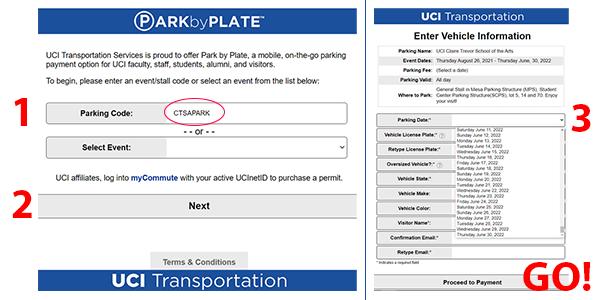
Cracking the Code: Unlocking the Mysterious World of UCI Parking Permits

Legendary Lives: Unveiling the Fascinating Stories Behind Morning Call Obituaries

The Power of Westerville Powerschool: Revolutionizing Education with Cutting-Edge Technology
Winona Ryder's Ageless Charm: Unpacking Her Iconic Role in Bram Stoker's Dracula</h3><p>In 1992, Winona Ryder reprised her breakout role as Mina Harker in Francis Ford Coppola's adaptation of Bram Stoker's Dracula, cementing her status as a Hollywood leading lady. In this article, we'll delve into the making of this iconic film, exploring the intricacies of Ryder's portrayal of Mina and the ways in which it showcases her ageless talent.</p><p>Winona Ryder's casting as Mina Harker in Bram Stoker's Dracula was a pivotal moment in the film's production. Ryder, who was in her mid-twenties at the time, brought a youthful energy to the role, which offset the more mature performances of the film's other lead actors, including Gary Oldman and Anthony Hopkins. As Ryder herself notes, "I was so young, and I was playing a character who was kind of an innocent, and I think that's what made her so compelling."</p><p>Coppola, who has long been a supporter of Ryder's work, saw in her a unique talent that would bring depth and nuance to the character of Mina. "Winona had a sense of vulnerability and fragility that was perfect for the role," Coppola recalled in an interview. "She was able to convey the character's emotions in a way that was both subtle and powerful."</p><p>One of the key aspects of Ryder's performance in Bram Stoker's Dracula is her ability to convey the complexities of Mina's character. On the surface, Mina appears to be a traditional Victorian-era wife, devoted to her husband and lacking in assertiveness. However, as the film progresses, it becomes clear that Mina is a strong-willed and independent individual, capable of withstanding the pressures of the supernatural forces that surround her.</p><p>Ryder's portrayal of Mina is characterized by a mix of fragility and determination. Her character's emotional vulnerability is palpable, particularly in the film's iconic scenes, such as the scene in which Mina is trapped in the snake scene with the vampire. At the same time, Mina shows remarkable resilience and strength in the face of adversity, refusing to give in to the forces of darkness that seek to consume her.</p><p>Bulleted points of critical acclaim:</p><p>• Ryder received wide praise for her performance, with many critics noting her ability to bring depth and nuance to the character of Mina.</p><p>• The film's use of sensual imagery and visual metaphors added to Ryder's performance, creating a dreamlike quality that drew audiences into Mina's world.</p><p>• Coppola's direction of the film was widely praised, with many critics noting his ability to create a sense of tension and foreboding that was both suspenseful and atmospheric.</p><h2>Behind the Scenes of Bram Stoker's Dracula</h3><p>The making of Bram Stoker's Dracula was a complex and often challenging process. Coppola, who had previously helmed films such as The Godfather and Apocalypse Now, was determined to create a film that would be both faithful to the original novel and innovative in its approach. As he notes, "I wanted to create a film that would be a metaphor for the vampire's victims – people who are trapped in their own lives, struggling to find freedom and release."</p><p>Coppola's vision for the film was shaped by his own experiences growing up in a family of artists. "I grew up surrounded by art and music, and I think that's where my love of storytelling comes from," Coppola explained. "I wanted to create a film that would be a hybrid of art and film, something that would be both beautiful and terrifying."</p><p>The film's production was marked by intense collaboration between Coppola and his cast and crew. As Ryder recalls, "Francis is an incredibly talented and intense director, and he demands a lot from his actors. But at the same time, he's also incredibly generous and supportive – he wants to bring out the best in everyone."</p><h3>Impact and Legacy of Bram Stoker's Dracula</3><p>Bram Stoker's Dracula was released in 1992 to widespread critical acclaim. The film grossed over $215 million at the box office and won several awards, including an Academy Award for Best Costume Design.</p><p>However, the film's impact went far beyond its commercial success. As a film, Bram Stoker's Dracula redefined the boundaries of cinematic horror, pushing the genre in new and innovative ways. As a performance, Ryder's portrayal of Mina Harker set a new standard for actresses in the genre, demonstrating a depth and nuance that was both captivating and inspiring.</p><p>Today, Bram Stoker's Dracula remains a cult classic, widely regarded as one of the greatest horror films of all time. As Ryder notes, "I feel incredibly fortunate to have been a part of something that has had such a lasting impact on audiences and the film industry as a whole."</p><p>The lasting impact of Bram Stoker's Dracula can be seen in the many filmmakers and actors who have been influenced by Coppola's vision and Ryder's performance. As one film critic noted, "Bram Stoker's Dracula is a film that has stood the test of time – its themes of love, death, and the supernatural continue to captivate audiences to this day."</p><h1>Conclusion: Winona Ryder's Ageless Charm in Bram Stoker's Dracula